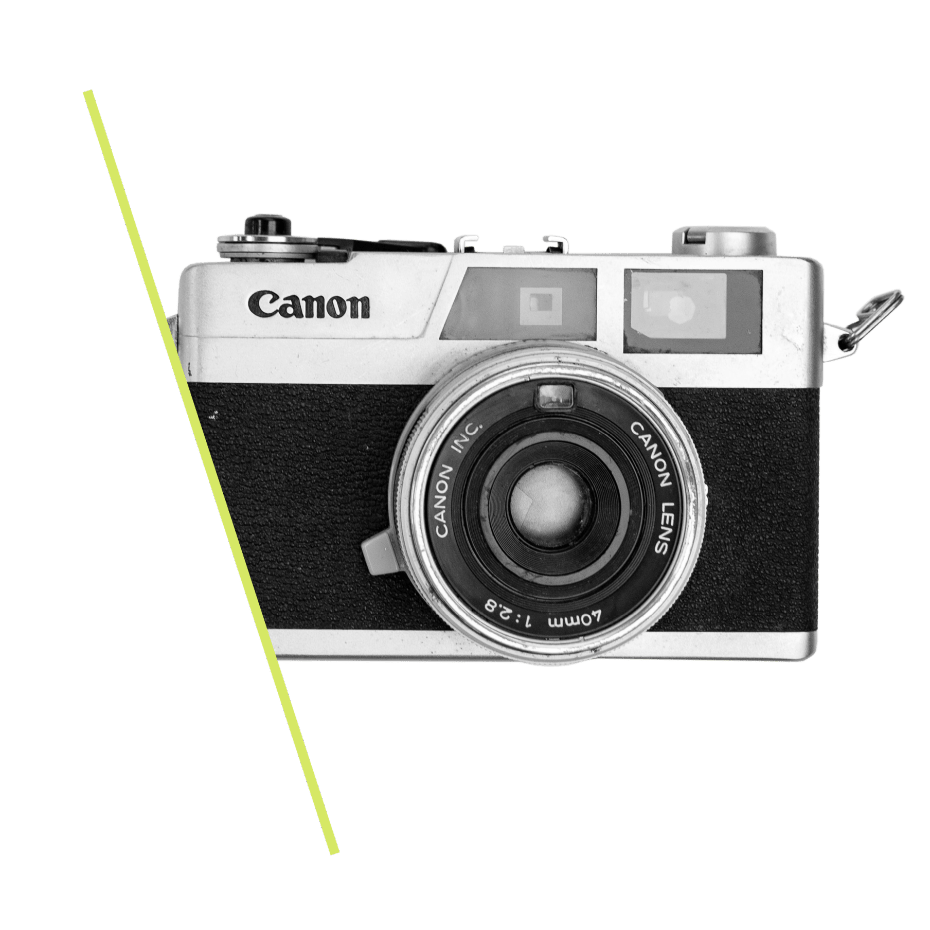

Imagine your website as a high street shopfront. Think to yourself, would anyone be tempted to walk in? It’s a useful way to reframe how we think about a business’ digital presence. Afterall, a great shopfront draws people in, communicates value instantly, and makes browsing feel effortless.
The same rules apply online. You need an attractive homepage to draw people in, the right information and tone of voice to appeal to your customers and an effortless user experience, so people can navigate your website with ease.
Yet, many businesses overlook these important considerations when it comes to their website. So, we’ve put together a useful guide to help you ensure your website is at its full potential.
First impressions matter – and fast
On a busy high street, you have seconds to catch someone’s eye. The same is true online, where users make snap judgments in just a few seconds. If your homepage is cluttered, unclear, or outdated, you risk visitors dismissing it without a second thought.
Strong ecommerce branding plays a critical role here. Your colours, typography, imagery, and tone of voice should immediately communicate who you are and what you stand for. Think of it as your window display. Does it reflect your brand personality? Does it resonate with your target audience?
A polished, cohesive visual identity builds trust quickly, making people far more likely to stay on your website and explore.
Navigation should feel intuitive
Imagine walking into a shop where you can’t find anything. The aisles are poorly labelled, and no one is there to guide you. You’d probably leave.
This is exactly what happens when website user experience is neglected. Navigation should feel natural and effortless. Visitors shouldn’t have to think about where to click next, it should be obvious.
Clear menus, logical page structures, and well-placed calls-to-action all contribute to a seamless journey. In fact, we always advise clients to prioritise the user journey. Map out what your audience wants to achieve – whether it’s making a purchase, booking a service, or learning more – and remove any friction along the way.
Design with purpose
A beautiful website is great (and if we continue with the shopfront analogy), then it will entice people in; but if your website doesn’t convert, it’s not doing its job.
This is where conversion-focused website design comes in. Every element on your website should have a purpose, from the placement of buttons to the wording of your headlines. It’s about guiding users toward meaningful actions.
Think of a shop assistant who greets customers, answers questions, and encourages purchases. Your website needs to do the same, but digitally.
This should include:
- Clear, compelling calls-to-action
- Trust signals such as reviews and testimonials
- Simple, distraction-free checkout or enquiry processes
- Strategically placed content that answers common questions
Good design blends creativity with strategy, ensuring your site isn’t just visually appealing, it’s effective.
Content
Once someone steps into a shop, it’s the experience that keeps them there. Online, your content plays that role. Your messaging should be clear, engaging, and tailored to your audience. Avoid jargon and focus on what matters most to your customers. How do you solve their problems or meet their needs?
Consistency is key. Your tone of voice should align with your ecommerce branding, creating a cohesive experience across every page. When visitors feel understood, they’re far more likely to trust your brand.
Performance and functionality can’t be ignored
Even the most striking shopfront won’t succeed if shop itself is badly laid out and the customer service is poor. Similarly, a slow or unreliable website will drive users away.
Page speed, mobile responsiveness, and accessibility are all essential components of a strong website user experience. Most users browse on mobile devices, so your website needs to perform seamlessly across all screen sizes.
Regular maintenance is also crucial. Broken links, outdated content, and technical glitches can all undermine trust and credibility.
Conversions
Ultimately, your website should do more than just attract visitors, it should convert them. A conversion-focused website design ensures that every interaction moves users closer to taking an action. Whether that’s making a purchase, filling out a contact form, or subscribing to your newsletter, the path should be clear and compelling.
At Chalk & Ward, we see the best results when design, branding, and user experience work together, creating a website experience that meets both user needs and business objectives.
So, let me ask again. If your website was a shopfront on the High Street, would anyone walk in? If the answer is anything other than a resounding ‘yes’, then it might be time to take a closer look at your digital presence.
Investing in strong ecommerce branding, prioritising website user experience, and embracing conversion-focused website design can transform your website from something people pass by into a destination they actively choose. In a competitive digital landscape, this difference can be everything.